Sleep is a practice.
Two dads testing everything on our own beds and trackers so you don’t have to. Honest picks, real data, and a quiz that might tell you to buy nothing.
“I slept great for thirty years. Then I didn’t. My daughter started sleeping through the night — and I didn’t. What finally fixed it wasn’t a miracle pill; it was the routine, the room, and my own tracker data, in that order.” — Galen, one of the two dads
First, we try to talk you out of buying anything.
Our assessment checks the things that actually run your sleep — schedule, caffeine, light, temperature — before it ever mentions a product. Four in ten people get told to fix something free first.
1 · The Sleep Assessment
Two minutes. About a dozen questions. Medical safety screens built in. It routes you to the right fix — even when that fix is a doctor, not a product.
2 · The Sleep Window Calculator
Wake up at 2am for no reason? You might be spending too much time in bed. Two numbers from your tracker; sixty seconds; your real number.
3 · The weekly letter
One honest fix a week — room and routine first, our tracker experiments, and the rare product that earns a spot on our short list. Free, short, unsubscribe anytime.
Two dads. Four kids. Seven years of experiments on our own sleep.
We’re not clinicians and we don’t pretend to be. We’re two guys who work in marketing, got wrecked by our kids’ sleep schedules, and started testing everything — on our own beds, our own trackers, our own 3ams. One of us runs the experiments. The other one doubts them. You get what survives both.
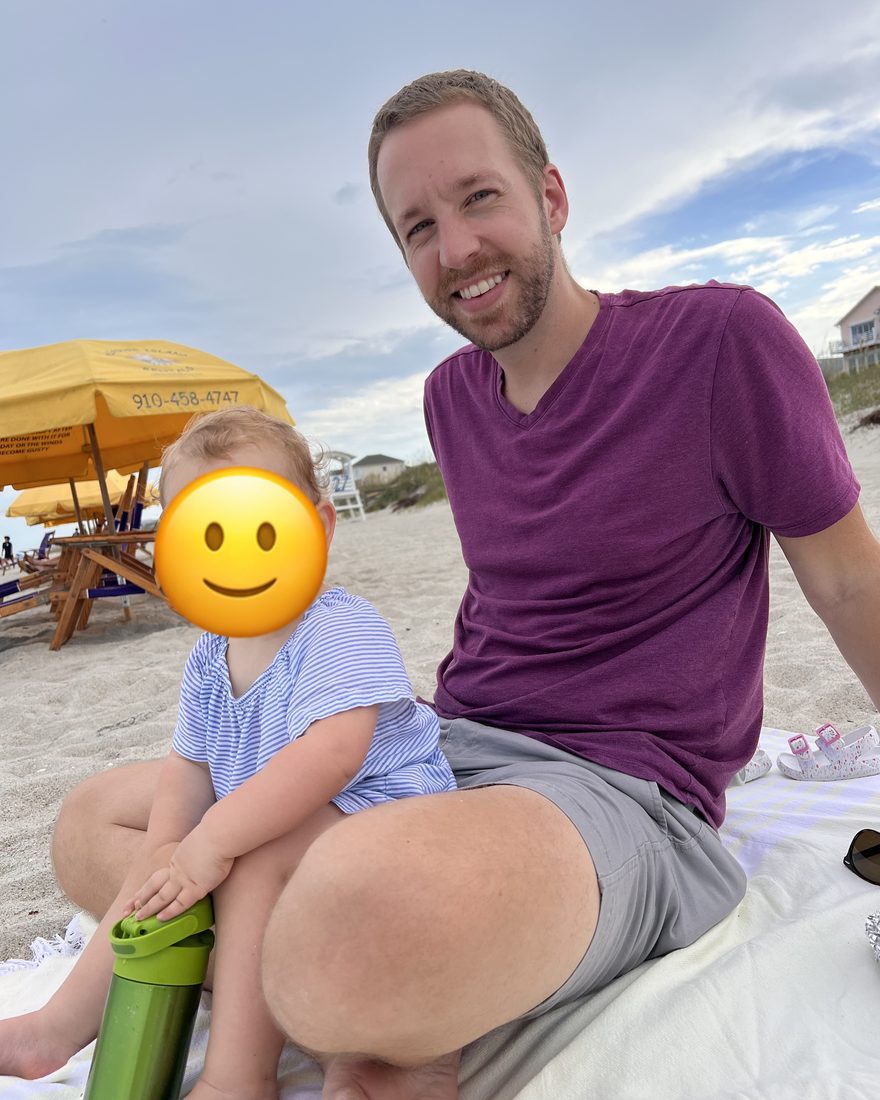
Galen
The experimenter. Dad ×2. Fixed his own broken sleep with a tracker, a schedule, and stubbornness — lost 48 minutes a night to a bad sleep window and got them back.

Logan
The skeptic. Dad ×2, other city, same 3am. Spent years scaling consumer brands, which mostly taught him how products get oversold — his job here is saying “prove it.”
Every face on this site is real. No AI, no stock, no models.
Nobody here is a well-rested actor hired to look like a tired dad. The photos above are Galen and Logan — un-retouched, taken on phones, at the end of the kind of day we write about. If a sleep brand can’t show you its own faces, ask why.
You will never see our kids’ faces. They are in these photos because they are the reason we are awake at 3am, but their faces stay covered, every time. They did not sign up to be the marketing for a brand about their bedtimes.
A short list, on purpose.
Here’s the honest hierarchy: room, then routine, then gear, then supplements — in that order, because the first two are free and fix most sleep problems. Gear is a real step (we use plenty of it ourselves), but most of what we test never makes this list. What’s below is everything that has: it’s on one of our beds or nightstands right now. No link here earns us anything — every one goes straight to the brand. We’d recommend each of these unpaid, and right now that is literally the case. The under-$150 gear comes first; the big-ticket stuff at the end is worth understanding, but it’s rarely the first move. Just as important: who should skip each one.
Hatch sunrise alarm + sound machine
For light sleepers and parents: steady noise floor, gentle sunrise alarm. It ended the morning meltdown in one of our houses. Not a cheap fix — the sunrise-alarm models run around $170, and a plain sound machine costs a fraction of that if noise is your only problem.
Ozlo Sleepbuds
Tiny in-ear buds that mask noise with steady sound instead of cancelling it — built to be slept on, side sleepers included. This is the tool for when the noise is in bed with you: a snoring partner defeats every sound machine in the room.
Blackout curtains
The cheapest big upgrade in sleep — for your room and the kids’. Even light that never wakes you keeps your sleep shallower than it should be; a properly dark room fixes that.
Contoured sleep mask
Fixes the light your curtains can’t. Contoured, so it doesn’t press your eyes.
Coop pillow
Adjustable fill, sleeps cool. The rare pillow that’s about fit, not foam hype.
Nasal strips
Dad-tested: if you get congested lying down even when you’re not sick, a $0.50 strip is the cheapest experiment in sleep. Not a snoring cure.
A tracker (Oura / Apple Watch)
Not for the score — for the two numbers that matter: time in bed vs. time asleep. Our whole sleep-window series runs on this.
Eight Sleep
The fix for sleeping hot, once the free stuff (fan, bedding, thermostat) has failed. It’s what ended Galen’s pool-of-sweat era.
Saatva mattress
Galen’s actual mattress. Boring, supportive, not a marketing gimmick in a box.
The weekly letter
One honest fix a week — usually your room or your routine, because that’s what solves most sleep problems. Plus our own tracker experiments (failures included) and, once in a while, the rare product that actually earns a spot.
The honest supplement layer.
Room first, routine second, gear third — supplements are the last layer, and no capsule outruns a bad schedule. If the foundations are handled and you want the evidence-backed short list, this is it. The disclosure that matters: we don’t sell any of these and earn nothing if you buy them. One buying rule for the whole category: this industry has a label-accuracy problem, so buy brands that publish third-party lab results and skip anything that won’t.
Magnesium glycinate · 200 mg elemental
Modest and real: helps many people fall asleep somewhat faster. The glycinate form is the one to buy — it’s gentler on the stomach than the cheap oxide form that dominates store shelves.
Glycine · 3 g
Small but solid studies at exactly this dose. It works with the body’s natural temperature drop at bedtime — the same mechanism a cool room supports, which is why the two stack well.
L-theanine · 200 mg
Softens the evening: calm, not sedation. The one for people whose problem is a busy brain at lights-out rather than a body that isn’t tired.
Melatonin · 1–3 mg — the one that isn’t nightly
Melatonin is a rhythm tool for the occasional off night — travel, a shifted schedule, a rough stretch — never a consistent daily supplement. Taking it every night isn’t how it works and isn’t how it’s studied; if you find yourself needing something nightly, that’s a schedule problem, and the fix is in Week 1 of the reset, not in this box.
When a night does call for it: about 30 minutes before bed, starting at 1 mg. If a few tries at 1 mg don’t do it, step up one milligram at a time to your minimum effective dose, then stay there. The store shelf’s 10 mg is marketing, not medicine.
Talk to your doctor before adding any supplement, especially alongside medication. The statement below the footer applies to everything in this section.